Almost every leaning backyard fence fails in the same place: underground at the post or at an under-built gate. Choosing quality materials and sound installation practices makes the difference between a fence that leans in five years and one that stands crisp and straight for decades.
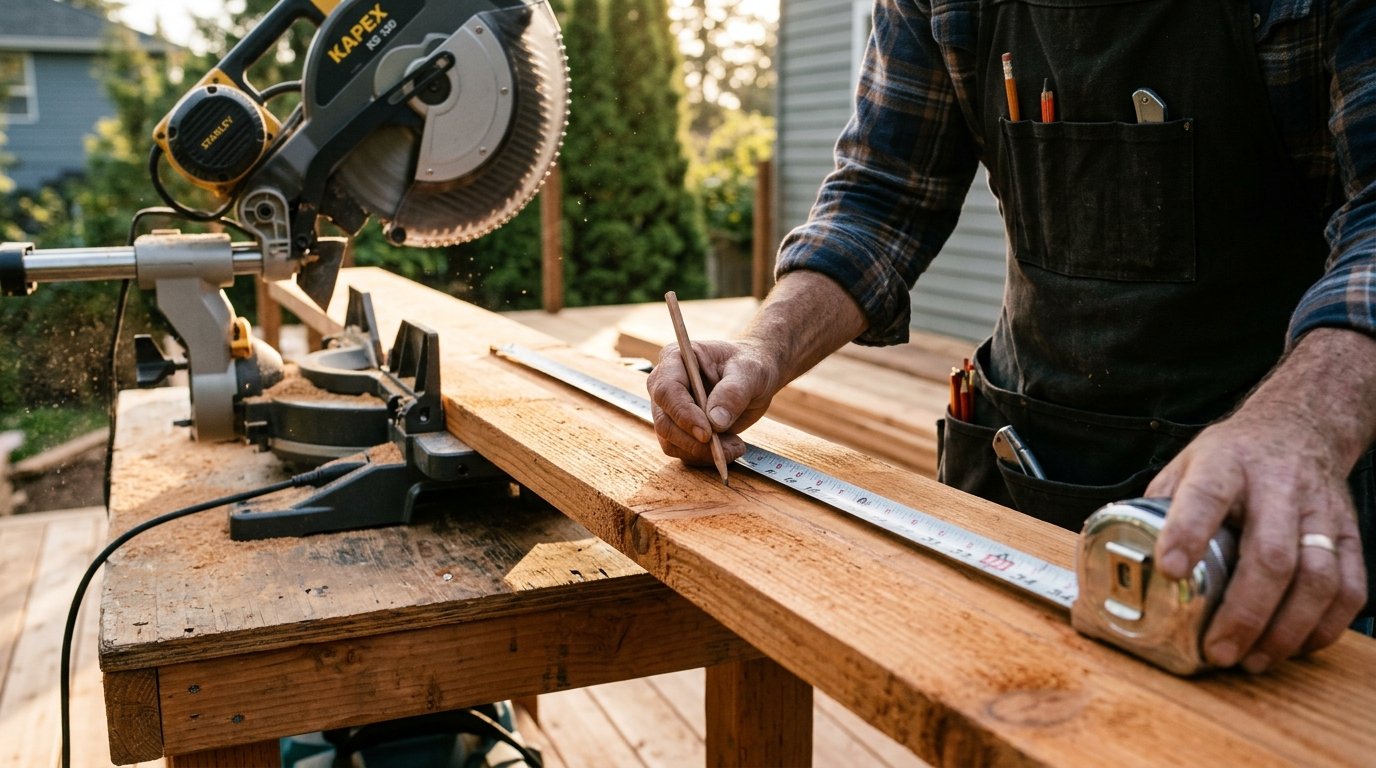
In the Puget Sound region, Western Red Cedar remains the gold standard for residential privacy fences. Whether arranged in a classic vertical picture-frame style or sleek horizontal slats, kiln-dried cedar boards resist warping better than green lumber and take stain beautifully.
Below grade, posts face constant damp soil. Setting ground-contact pressure-treated wood posts—or steel fence posts concealed behind cedar wrap—into properly sized concrete footings sloped slightly at the top to shed water protects the structure against wind load and premature rot.
Pay special attention to gates. A gate is the only moving part of your fence and gets slammed hundreds of times a year. Using a dedicated sturdy hinge post, rigid diagonal compression bracing (or a welded steel gate frame), stainless or coated fasteners, and heavy-duty exterior hinges keeps your gate swinging smoothly without dragging across the walkway.